USP 671: Why Package Performance Testing Matters for Pharmaceutical Products
Ensuring Product Quality Through USP <671> Testing
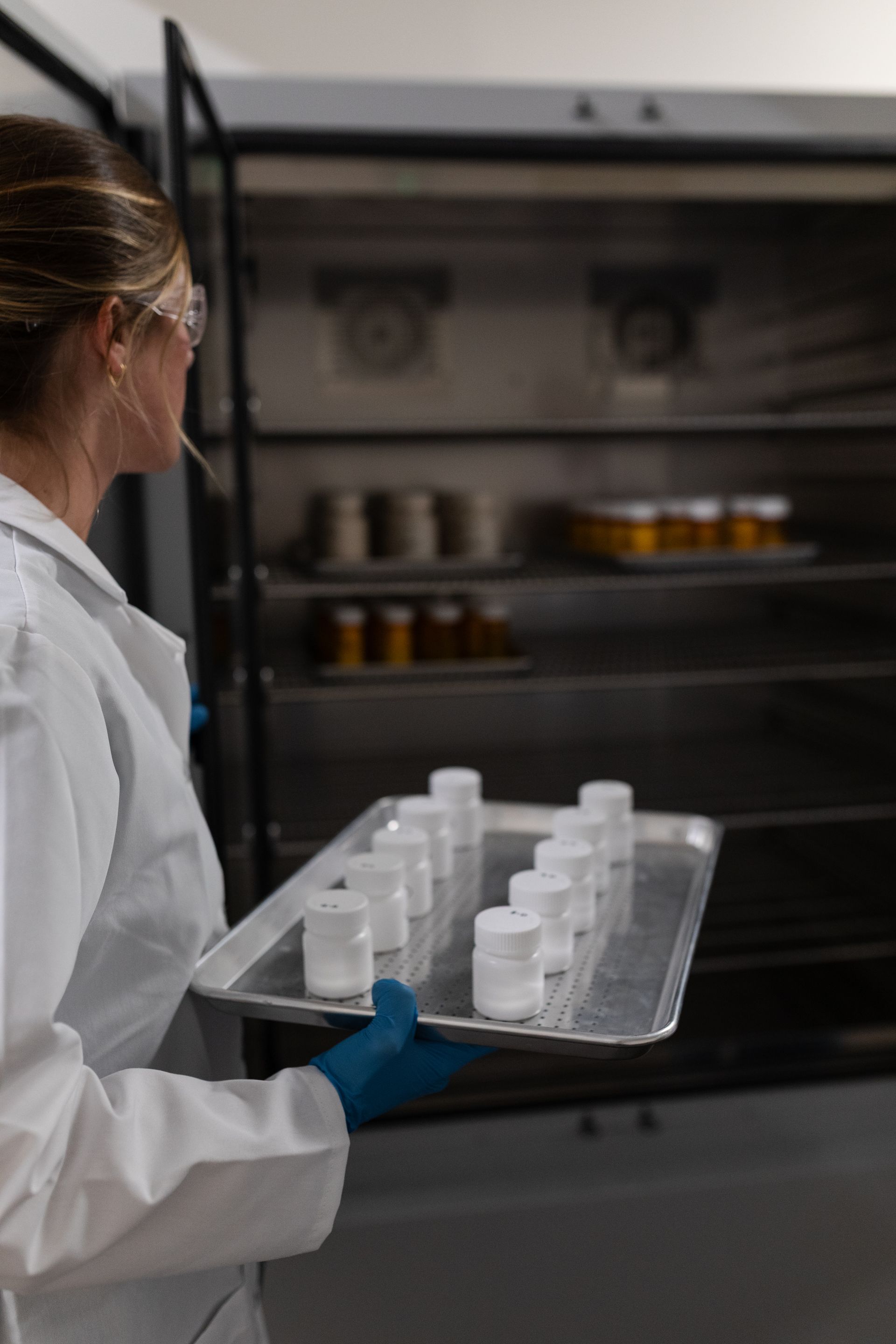
In the pharmaceutical industry, packaging is more than a container—it is a critical component of product quality, stability, and patient safety. USP<671>, Containers—Performance Testing, establishes standardized methods for evaluating the moisture vapor transmission characteristics of pharmaceutical packaging systems. These tests help manufacturers verify that their packaging adequately protects products from environmental conditions that could impact quality, potency, or shelf life.
For more than 25 years, Bird Dog Laboratories has been performing USP<671> testing for pharmaceutical manufacturers, packaging suppliers, and product developers. Our extensive experience helps clients navigate requirements, support regulatory submissions, and ensure their packaging systems meet the performance expectations necessary to protect sensitive drug products.
Why USP<671> Testing Is Important
Many pharmaceutical products are susceptible to moisture uptake or moisture loss during storage and distribution. Excessive moisture exposure can result in:
- Reduced product potency
- Changes in dissolution characteristics
- Physical degradation of tablets, capsules, and powders
- Shortened shelf life
- Regulatory compliance concerns
USP<671> testing provides objective data demonstrating that a package can maintain the product's intended quality throughout is labeled shelf life. The results are often used during package qualification, stability studies, product development, supplier evaluations, and regulatory submissions.
By conducting USP<671> testing early in the development process, companies can identify packaging weaknesses before commercialization, reducing the risk of costly product failures or post-market issues.
Understanding USP<671> Test Methods 1 Through 8
USP<671> contains several test procedures designed to evaluate different types of packaging systems under varying conditions. The appropriate method depends on the package design, material, and intended application.
Method 1 - Bottles for Solid Oral Dosage Forms (SODFs)
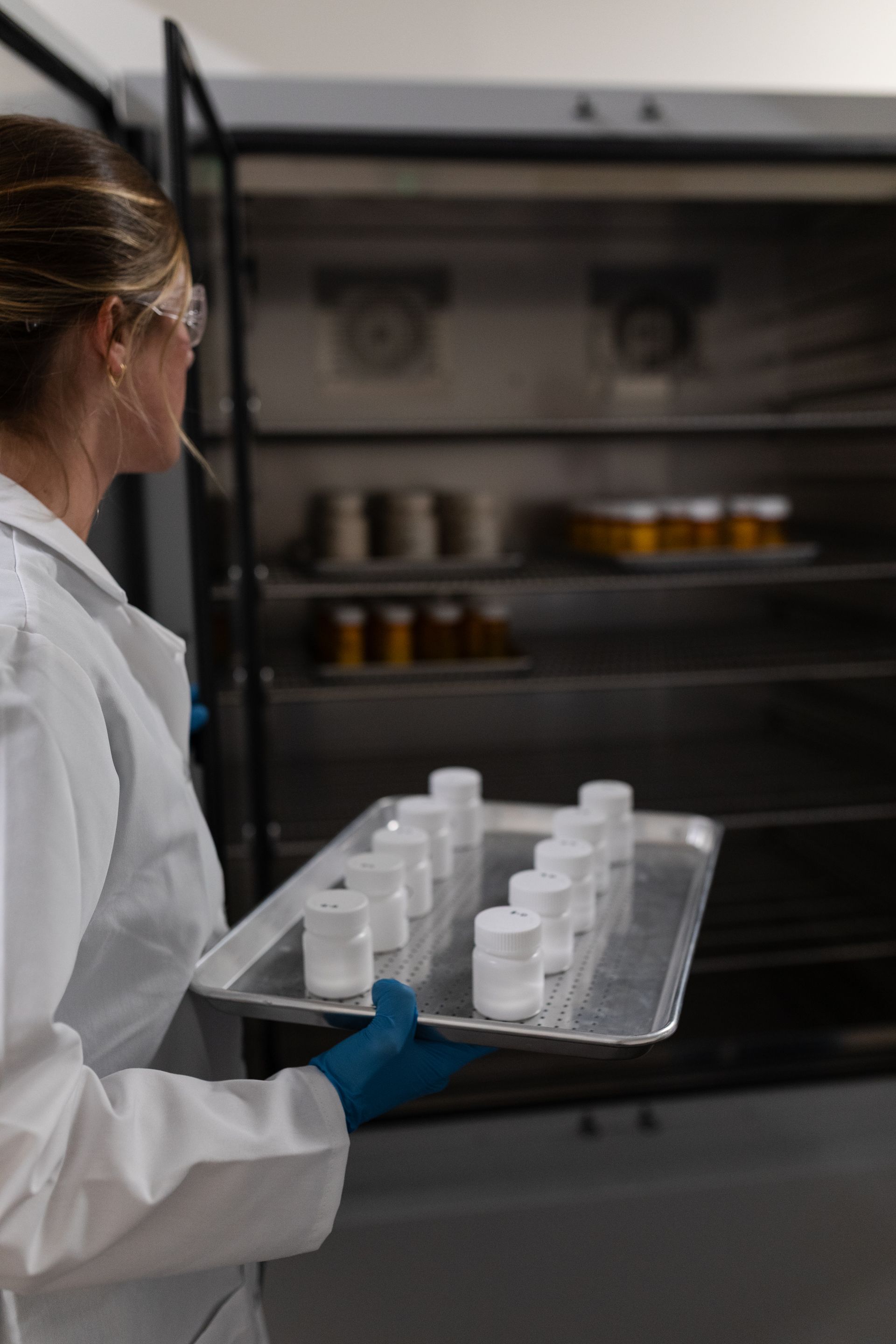
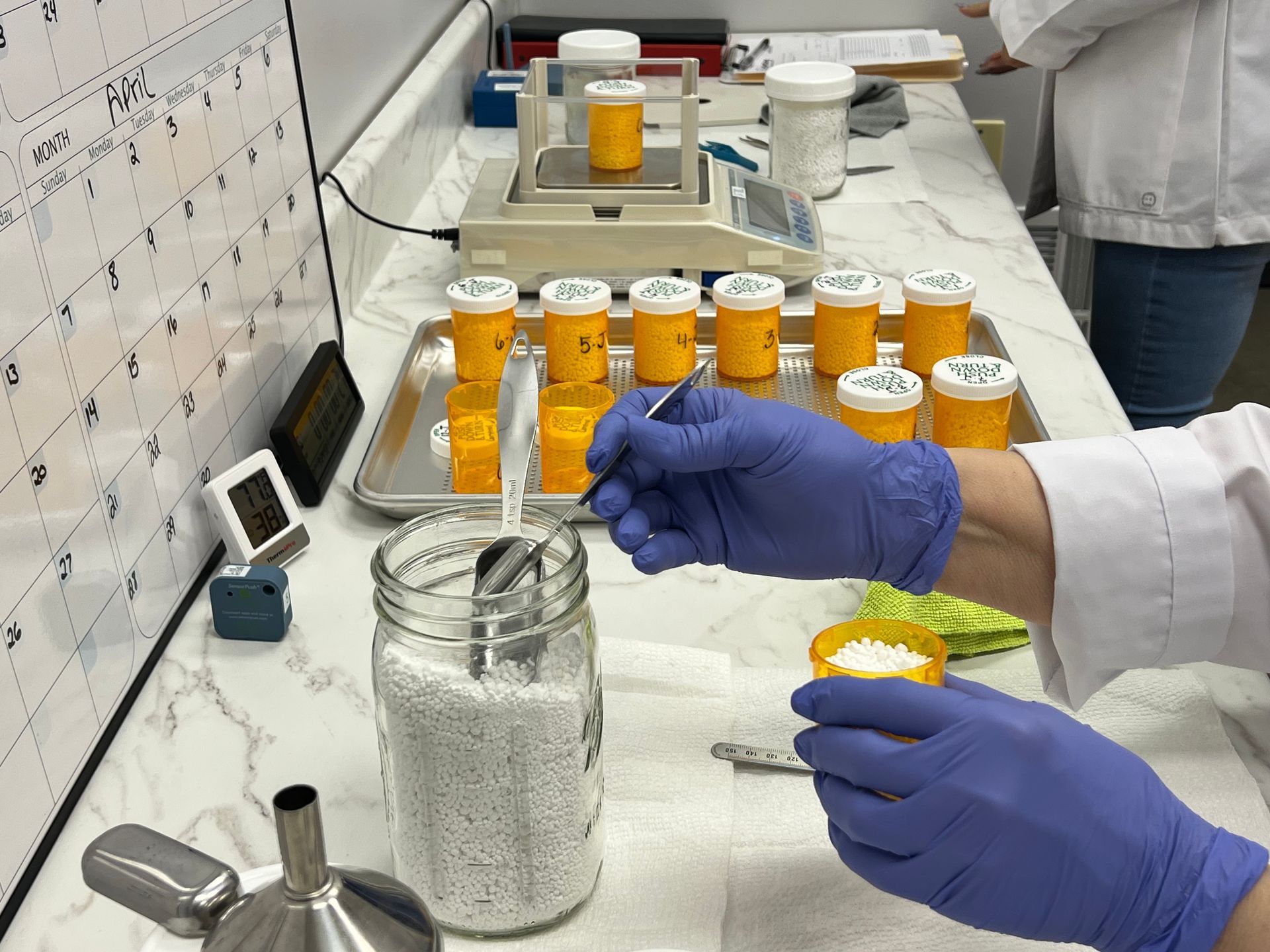
Method 1 is used for plastic bottles and closures holding multiple-unit solid oral dosage forms with or without induction seals. Moisture enters the container and is absorbed by a desiccant, allowing MVTR to be measured over time. This tells you how well the full package system protects the product under typical storage conditions.
Method 2 - High-Barrier Blister Packaging
Method 2 is used for blister packs made with high or ultra-high barrier materials, such as foil-based systems. A desiccant is sealed inside each cavity to measure how much moisture gets in over time. This helps confirm whether high-barrier blister packaging is performing as expected.
Method 3 - Low-Barrier Blister Packaging
Method 3 is used for blister packs made from lower barrier materials where moisture enters more quickly. Because permeation happens faster, testing is done over a much shorter period of time to avoid skewed results. This method helps identify packaging that may not provide enough protection.
Method 4 - Blister Packaging Using Water Loss (Egress Testing)
Method 4 measures moisture leaving water-filled blister cavities. It works across low, high, and ultra-high barrier materials and avoids issues like desiccant saturation. This provides a more stable way to measure long-term moisture movement.
Method 5 - Classification of Bottles Without a Seal
Method 5 is used to classify plastic bottles without an induction seal, or bottles that will be opened during use. Results determine whether the container meets "tight" or "well-closed" standards based on moisture protection. This helps define how the packaging performs in real-use conditions.
Method 6 - Classification of Bottles With an Impervious Seal
Method 6 is used for bottles with an induction seal or similar barrier system. This method focuses on evaluating the container's ability to limit moisture when sealed and can isolate the bottle's performance. It applies stricter standards than Method 5 for moisture protection.
Method 7 - Classification of Blister Packaging
Method 7 is used for blister packs to assign a moisture protection classification (A-D). Desiccant-filled cavities are monitored to determine how well the packaging resists moisture over time. This helps compare blister systems and determine suitability for specific products.
Method 8 - Liquid Containers (LODFs)
Method 8 is used for liquid oral dosage form containers, measuring moisture loss from water-filled packages instead of moisture gain. Results are based on weight loss over time and determine whether the container meets "tight" specifications. This is key for validating packaging used with liquid products.
Which USP<671> Method is Right for Your Product?
Selecting the correct USP<671> method depends on several factors, including:
- Package configuration (bottle, blister, pouch, or unit-dose package)
- Packaging materials
- Product moisture sensitivity
- Regulatory expectations
- Intended storage conditions
Because each product and package combination presents unique challenges, it is important to work with an experienced laboratory that can recommend the most appropriate testing strategy and help interpret results.
Partner with Bird Dog Laboratories
With over 25 years of experience performing USP<671> testing, Bird Dog Laboratories provides the expertise and technical support needed to evaluate pharmaceutical packaging systems with confidence. Our team works closely with clients to identify the appropriate test method, generate reliable data, and support regulatory and quality objectives.
Whether you are developing a new package, qualifying a supplier, or supporting a regulatory submission, USP<671> testing is a valuable tool for ensuring that your packaging protects product quality throughout its lifecycle.
If you have any questions regarding your package performance testing, call Bird Dog Laboratories at 717-615-9022 or email info@birddoglaboratories.com.
Recent Posts