Are You Ready to Comply with Updated USP 661.2 Taking Effect December 2, 2025?

Mark Perkins • October 3, 2025

Do You Understand USP <661.2> and Why It's Crucial for Packaging in the Pharmaceutical Industry?
REMEMBER: The updated USP<661.2> chapter will be in effect December 2, 2025. If companies want to stay compliant, any package that is used for pharmaceutical drugs needs to be tested before then. 


In the world of pharmaceuticals, safety and quality are paramount. One key element ensuring that both are maintained is the United States Pharmacopeia (USP) standards, which provide guidelines for the quality, purity, and consistency of products. Among these, USP <661.2> stands out as an essential standard for the materials used in packaging pharmaceutical products. But what exactly is it, and why does it matter?


What is USP <661.2>?


USP <661.2> is part of the USP General Chapter 661 series, which addresses the requirements for plastic materials used in pharmaceutical packaging. Specifically, USP <661.2> focuses on the biological reactivity and potential leachability of substances from packaging materials into the drug product. It is designed to ensure that plastic materials, such as bottles, closures, and unit dose packages are safe for direct contact with pharmaceutical products and do not adversely affect the drug's safety or effectiveness. The chapter sets forth guidelines to test the interaction between packaging materials and the drug, evaluating factors like the potential migration of chemicals and other substances that could compromise the quality of the pharmaceutical product.


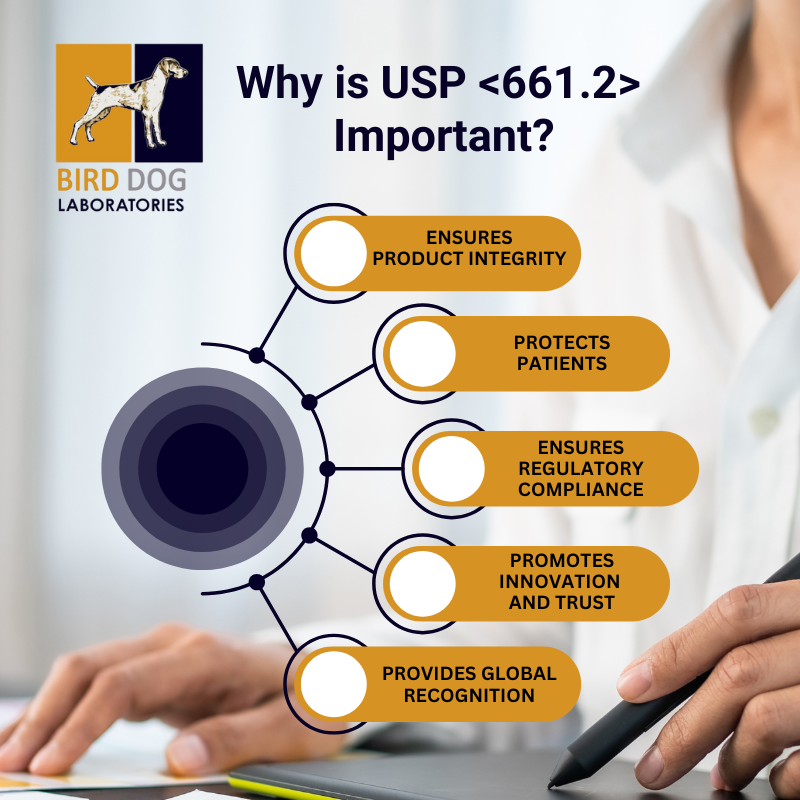
Why is USP <661.2> Important?


  1. Ensuring Product Integrity: Pharmaceutical packaging serves as a barrier between the drug and the outside environment, maintaining the product's potency, stability, and sterility. If packaging materials do not meet the standards outlined in USP <661.2>, there's a risk of contamination or degradation, which could affect the drug's efficacy and safety.
  2. Protecting Patients: The leaching of harmful substances from packaging materials can potentially harm patients. USP <661.2> ensures that materials used for packaging do not release toxic or harmful chemicals into the drug, safeguarding the health of consumers.
  3. Regulatory Compliance: Adherence to USP <661.2> is required by regulatory bodies like the FDA. Pharmaceutical manufacturers must comply with these standards to ensure their products are marketable and meet safety requirements.
  4. Promoting Innovation and Trust: As the pharmaceutical industry evolves, new materials and packaging solutions are continually being developed. USP <661.2> provides a standardized framework for testing these materials, ensuring that innovative packaging options maintain the same level of safety and performance.
  5. Global Recognition: USP standards, including <661.2>, are recognized worldwide. Compliance with these guidelines not only ensures the quality of pharmaceutical packaging in the U.S. but also facilitates global trade by meeting international quality expectations.


Key Takeaways:


  • USP <661.2> focuses on ensuring plastic materials used in pharmaceutical packaging are safe and do not negatively interact with the drug.
  • USP <661.2> plays a crucial role in maintaining drug quality, safety, and efficacy.
  • Compliance with USP <661.2> is vital for regulatory approval and maintaining trust with patients and healthcare providers.


In conclusion, USP <661.2> is a cornerstone in ensuring that the packaging of pharmaceutical products meets rigorous safety and quality standards. Its role in protecting both the integrity of the drug and the health of patients underscores its importance in the pharmaceutical industry. For manufacturers, compliance with this standard is not just a regulatory requirement, it's a commitment to producing safe, effective, and reliable products.


If you have questions regarding USP <661.2> or USP <671>, call Bird Dog Laboratories at 1-717-615-9022 or email info@birddoglaboratories.com. Our team provides an assurance of accuracy and hyper-focused attention to detail for all packaging testing.

Recent Posts
By Mark Perkins July 30, 2026
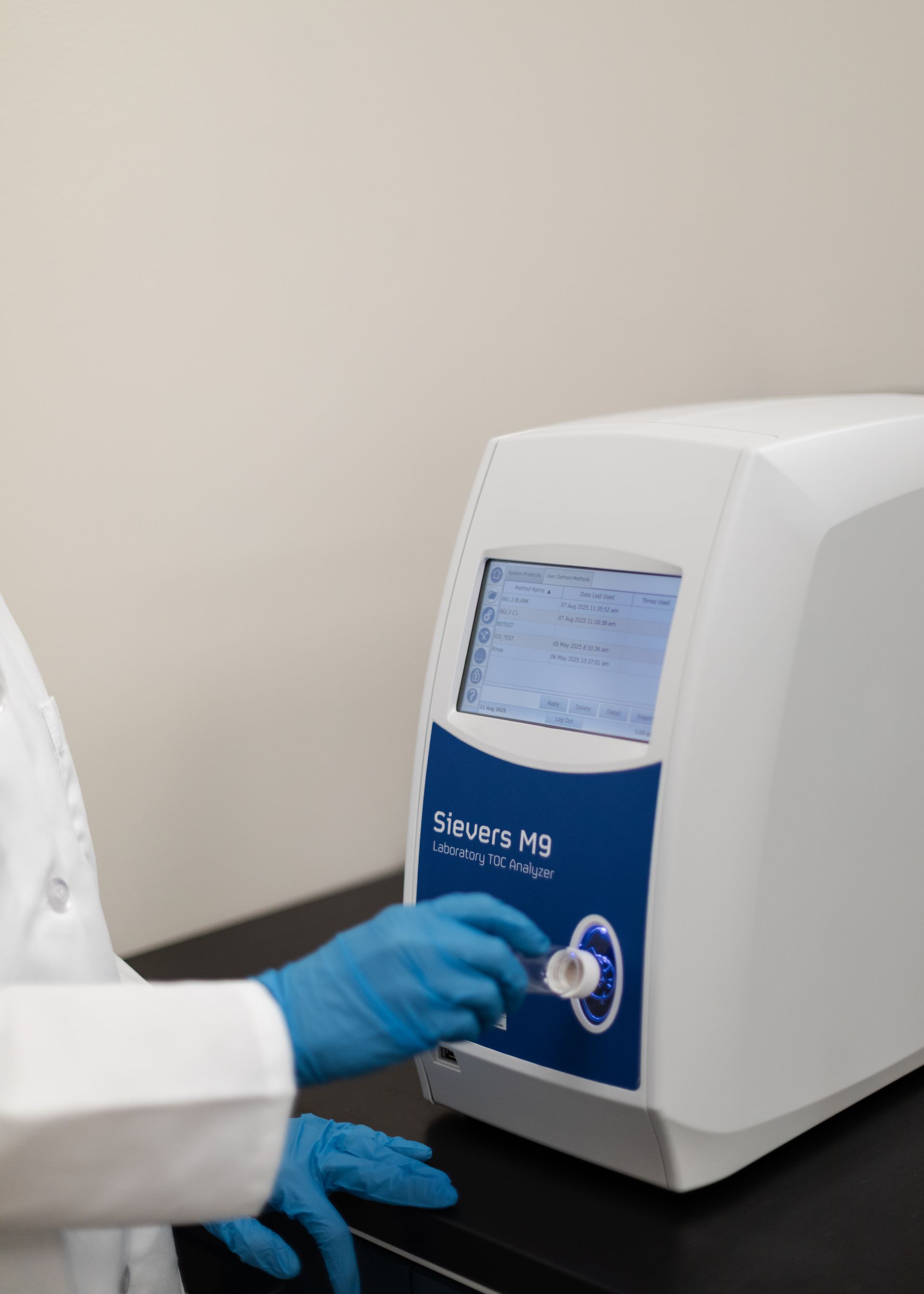
When we think about pharmaceutical packaging, the focus is often on barrier properties, extractables and leachables, sterility, or container closure integrity. However, one analytical measurement that deserves just as much attention is Total Organic Carbon (TOC). While TOC is commonly associated with pharmaceutical water systems, it also plays an important role in evaluating the cleanliness and suitability of pharmaceutical packaging components. What Is Total Organic Carbon (TOC)? Total Organic Carbon (TOC) is a measurement of the amount of carbon present in organic compounds within a sample. In simple terms, it tells us how much organic material is present—whether from manufacturing residues, processing aids, cleaning agents, lubricants, or environmental contamination. TOC analysis does not identify the specific contaminant. Instead, it provides a rapid and sensitive measurement of the total amount of organic contamination present. Why Does TOC Matter for Pharmaceutical Packaging? Packaging is the final barrier protecting a drug product. Even trace amounts of organic contamination on packaging components can introduce unnecessary risk. Monitoring TOC helps manufacturers: Verify the cleanliness of packaging components after manufacturing and cleaning. Detect residual processing chemicals or contaminants. Support supplier qualification and incoming quality control. Demonstrate process consistency. Reduce the risk of product contamination. Support regulatory expectations for quality and contamination control. For injectable products, opthalmics, biologics, and other high-risk therapies, understanding the cleanliness of packaging components becomes ever more critical. TOC Testing and USP<661.2> An often-overlooked aspect of pharmaceutical packaging qualification is the role TOC testing plays in USP<661.2>, Plastic Packaging Systems for Pharmaceutical Use. As part of the physicochemical testing described in the chapter, TOC is used to evaluate the amount of organic material that can be extracted from a plastic packaging system under defined conditions. The purpose of this testing is not to identify individual compounds, but rather to demonstrate that the packaging material has a controlled and acceptable level of extractable organic substances. Elevated TOC results may indicate excessive organic extractables, residual manufacturing aids, incomplete cleaning, or variability in the manufacturing process—all of which could affect the suitability of the packaging system for pharmaceutical use. TOC is therefore an important component of USP<661.2> because it provides a rapid, sensitive, and reproducible assessment of the overall organic burden of packaging materials. When combined with the chapter's other physicochemical tests, TOC helps establish that plastic packaging systems are consistently manufactured and suitable for their intended pharmaceutical applications. For manufacturers, passing the TOC requirements of USP<661.2> also supports supplier qualifications, material consistency, regulatory compliance, and a science-based approach to contamination control. Where Can Organic Contamination Come From? Organic residues can originate from several sources throughout the manufacturing process, including: Mold release agents Lubricants and processing oils Cleaning chemicals Packaging materials and handling Human contact Environmental contaminants Manufacturing additives Even well-controlled manufacturing processes can leave trace organic residues if appropriate contols and verification methods are not in place. Why TOC Is a Valuable Screening Tool One of the biggest advantages of TOC analysis is speed. Rather than testing for dozens—or even hundreds—of individual organic compounds, TOC provides a single quantitative value representing the overall organic load. This makes it an excellent screening tool for: Process validation Cleaning verification Supplier comparisons Manufacturing investigations Continuous process monitoring Trending and quality improvement initiatives If TOC values trend upward over time, it may indicate changes in raw materials, equipment, cleaning effectiveness, or manufacturing processes that warrant further investigation. Establishing Baseline TOC Levels Knowing your "normal" TOC level is just as important as measuring it. Establishing baseline values allows manufacturers to: Detect abnormal increases before they become quality issues. Trend manufacturing performance over time. Compare suppliers objectively. Evaluate process improvements. Build data-driven acceptance criteria. Without baseline data, it becomes difficult to determine whether a measured TOC value represents acceptable process variation or a potential contamination event. Supporting Compliance and Patient Safety Regulatory agencies increasingly emphasize contamination control, risk management, and scientifically justified quality systems. While TOC limits for packaging components may not always be specifically prescribed outside of applicable compendial requirements, TOC data can provide valuable evidence that manufacturing processes are controlled and packaging components are consistently clean. Ultimately, every analytical test should answer one question: "Does this help ensure the safety, quality, and performance of the final drug product?" TOC helps answer that question by providing an objective measurement of organic cleanliness—supporting better manufacturing decisions and reducing contamination risk before packaging components ever come into contact with a pharmaceutical product. As pharmaceutical products become more complex and quality expectations continue to rise, TOC analysis is becoming an increasingly valuable part of comprehensive packaging quality strategy. Whether used to demonstrate compliance with USP<661.2>, verify manufacturing cleanliness, or monitor process consistency, understanding TOC levels isn't just about meeting specifications—it's about building confidence in your processes, protecting your products, and ultimately safeguarding patients. https:// www.birddoglaboratories.com/testing-services/usp-661-2 Partner with Bird Dog Laboratories With over 25 years of experience, Bird Dog Laboratories provides the expertise and technical support needed to evaluate pharmaceutical packaging systems with confidence. Our team works closely with clients to identify the appropriate test method, generate reliable data, and support regulatory and quality objectives. Learn more about USP<661.2> Testing at Bird Dog Laboratories. If you have any questions regarding your package performance testing, call Bird Dog Laboratories at 717-615-9022 or email info@birddoglaboratories.com.
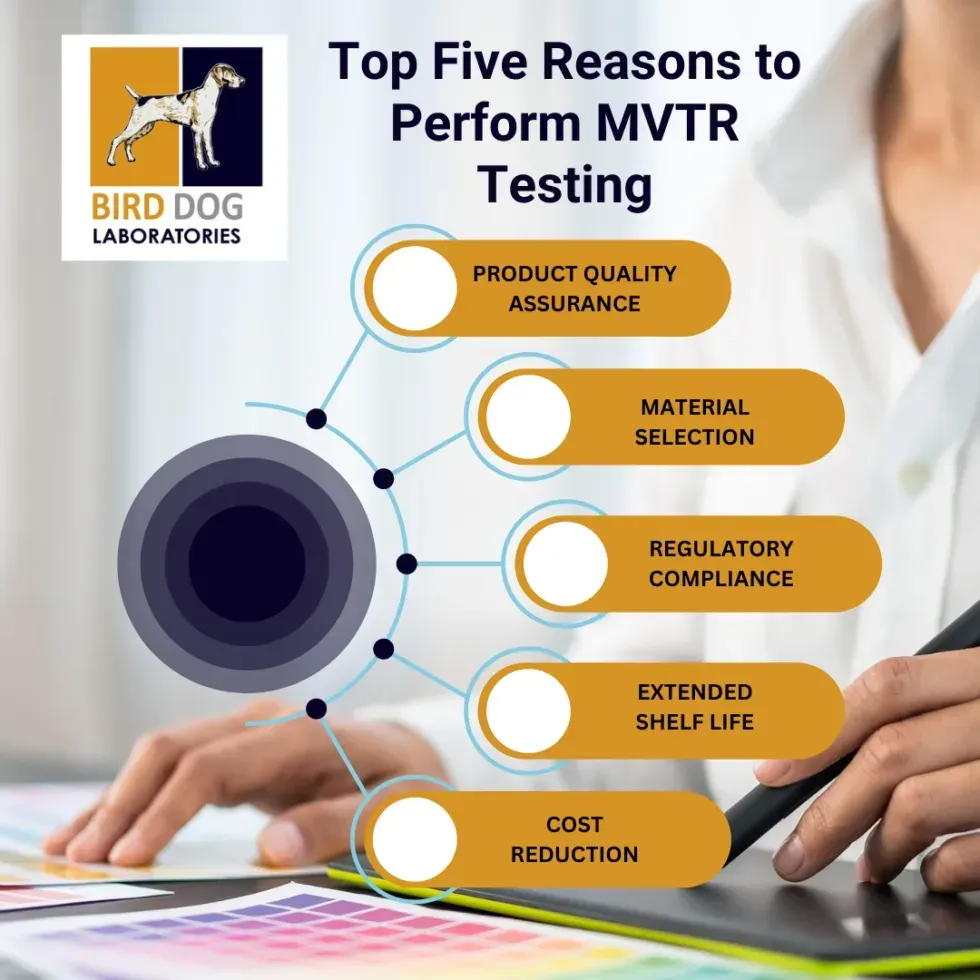
Graphic image highlighting a list of five reasons for MVTR testing.
By Beth Mack July 13, 2026
Need to understand MVTR testing? Explore our guide covering what it is, its core benefits, and the top criteria for choosing a reliable package testing lab.
By Abby Korman July 8, 2026
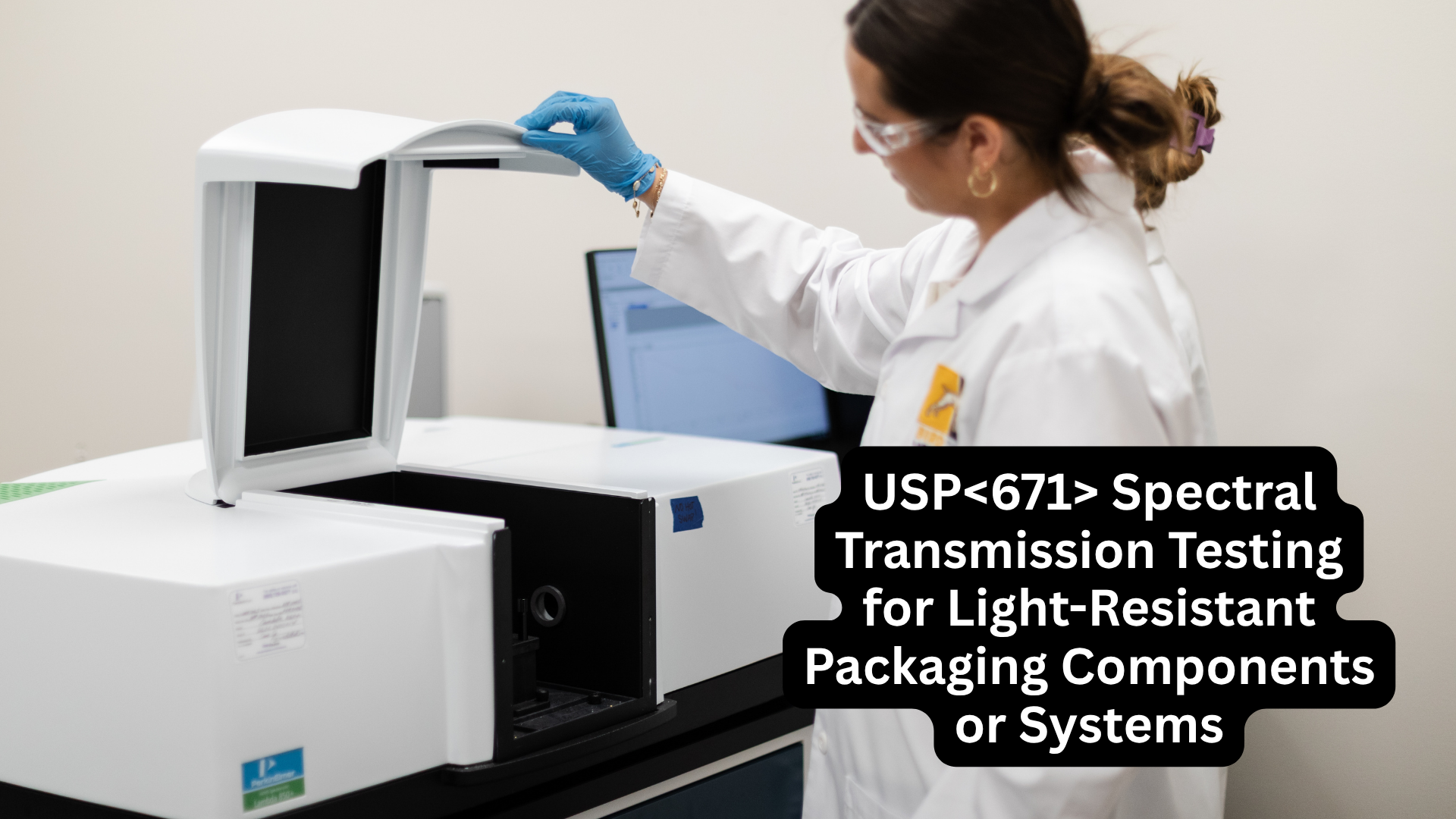
UV Spectral Transmission Rate Testing - USP <671> and USP <661.2>
By Mark Perkins June 12, 2026
Explore transmission limits, testing methods, and how light-resistant packaging helps safeguard photosensitive drug products.
By Mark Perkins June 8, 2026
Ensuring Product Quality Through USP <671> Testing
By Mark Perkins May 20, 2026
The pharmaceutical industry is entering a new era of regulatory scrutiny when it come to plastic packaging systems used for drug products . With the implementation of USP <661.1> and <661.2> , pharmaceutical companies must demonstrate that their packaging materials and systems are suitable for their intended use and do not compromise product quality or patient safety. In practice, regulatory authorities such as the FDA now expect companies to demonstrate compliance with USP <661.2> when qualifying plastic packaging systems used with drug products. What Is USP <661.2> USP <661.2>, titled "Plastic Packaging Systems for Pharmaceutical Use," establishes requirements for evaluating plastic packaging systems that contain pharmaceutical products. These packaging systems include bottles, containers, closures, unit dose packages and other components that come into direct contact with the drug product. The chapter focuses on ensuring that packaging systems are chemically suitable and safe for drug storage and administration . Unlike USP <661.1> which evaluates the materials of construction , USP <661.2> evaluates the entire packaging system and its interaction with the drug product. FDA Expectations and Regulatory Requirements The U.S. Food and Drug Administration (FDA) require pharmaceutical manufacturers to demonstrate that container closure systems are safe, compatible, and suitable for their intended use under current Good Manufacturing Practices (cGMP). USP standards ae recognized by the FDA as official compendial requirements . As a result, companies must either: Comply with USP <661.2>, or Demonstrate an equivalent scientifically justified approach In regulatory submissions such as NDAs, ANDAs, and BLAs , packaging systems are expected to be supported by extractables, leachables, and physicochemical testing consistent with USP <661.2> requirements. Because of this, USP <661.2> testing has effectively become as regulatory expectation for pharmaceutical companies developing or manufacturing drug products using plastic packaging systems. Why This Standard Matters Packaging is often overlooked in pharmaceutical quality discussions, but it plays a critical role in maintaining product integrity. Plastic packaging components can potentially release chemicals into the drug product through processes such as leaching or migration . USP <661.2> addresses this risk by requiring scientific evaluation of packaging systems to ensure they do not introduce contaminants or alter drug stability. These requirements help manufacturers demonstrate: Chemical compatibility between packaging and drug products Control of extractables and leachables Biological safety of packaging materials Overall suitability of the container closure system Ultimately, these tests protect patients by ensuring that packaging does not compromise drug safety or efficacy. Required Testing Under USP <661.2> To comply with USP <661.2>, pharmaceutical companies typically perform a combination of physicochemical, biological, and extractable studies. Examples of tests include: Physicochemical Tests UV absorbance Acidity/alkalinity Total Organic Carbon (TOC) Solution appearance Transmittance and polymer identification markers Extractables & Leachables Studies Identification of compounds that may migrate from packaging into the drug product Quantification of potential contaminants Biological Reactivity Testing In vitro biological tests to confirm the packaging does not cause harmful biological responses. Regulatory Timeline The revised USP chapters USP <661.1> and <661.2> became official on December 1, 2025 , replacing the older USP <661> standard. These new chapters require separate evaluation of packaging materials and packaging systems to demonstrate suitability for pharmaceutical use. This means pharmaceutical companies must ensure their packaging qualification strategies include both material-level testing and full packaging system evaluation. When Testing Is Required USP <661.2> testing is typically required when: Introducing new packaging systems for drug products Making changes to packaging materials or components Launching new drug formulations or dosage forms Responding to regulatory requests during submissions or inspections In Conclusion: USP <661.2> represents a significant step forward in ensuring the safety of pharmaceutical packaging systems. With FDA expectations aligned with USP compendial standards , pharmaceutical companies must take a proactive approach to packaging qualifications. In today's regulatory landscape, testing plastic packaging systems under USP <661.2> is no longer optional—it is a critical component of regulatory compliance and patient safety. If you have any questions regarding your required regulations, call Bird Dog Laboratories at 717-615-9022 or email info@birddoglaboratories.com .
By Mark Perkins February 26, 2026
What sets a great package testing lab apart from a merely good one? Learn the key benchmarks, from advanced equipment to compliance expertise, to look for.
Water droplets
By Mark Perkins April 24, 2025
Ensure your container-closure system offers maximum protection. Bird Dog Labs provides accredited moisture, torque, and USP testing for pharma packaging.
The graphic shows a woman at a desk and a list of important information for USP 661.2
By Mark Perkins March 21, 2025
Why is USP <661.2> So Crucial for Packaging in the Pharmaceutical Industry?
Lab technician's hands in purple gloves scooped glass beads into control samples.
By Beth Mack May 29, 2024
Moisture Vapor Transmission Rate (MVTR) testing is a crucial process that ensures a product’s quality and durability remain intact, even when exposed to various environmental factors. This test is particularly significant in industries such as textiles, packaging, and construction, where the performance of materials under different conditions is paramount. USP 671 is a test that measures the rate at which water passes through material. It ensures materials perform as expected in various environmental conditions. The better the MVTR of a barrier material, the better it prevents moisture ingress. Bird Dog Laboratories, with its team of experienced technicians and specialized equipment, is well-equipped to handle the complex MVTR testing process, instilling confidence in the accuracy and reliability of the results. MVTR Testing results are not just crucial for understanding material behavior in different environmental conditions, but also for ensuring product quality and durability. This testing is valuable at every stage of the design process, from the Unit/Pilot Phase to the finalized production tooling, and even when there are functional changes within the package. Once the testing is complete, Bird Dog Laboratories will prepare a report of the findings and a package classification. The experts at Bird Dog Laboratories are here to help ensure your packaging is ready to take your product to market successfully. Contact Abby Korman, Director of Laboratory Development at akorman@birddoglaboratories.com to learn more about our testing capabilities.
Show More