USP 671 Spectral Transmission Testing: Requirements, Benefits, and Packaging Applications
Explore transmission limits, testing methods, and how light-resistant packaging helps safeguard photosensitive drug products.
USP<671> Spectral Transmission for Light-Resistant Packaging Components or Systems is a test within the United States Pharmacopeia chapter on container performance testing. It evaluates how much ultraviolet (UV) and visible light passes through pharmaceutical packaging materials that claim to protect products from light exposure.
What does the test measure?
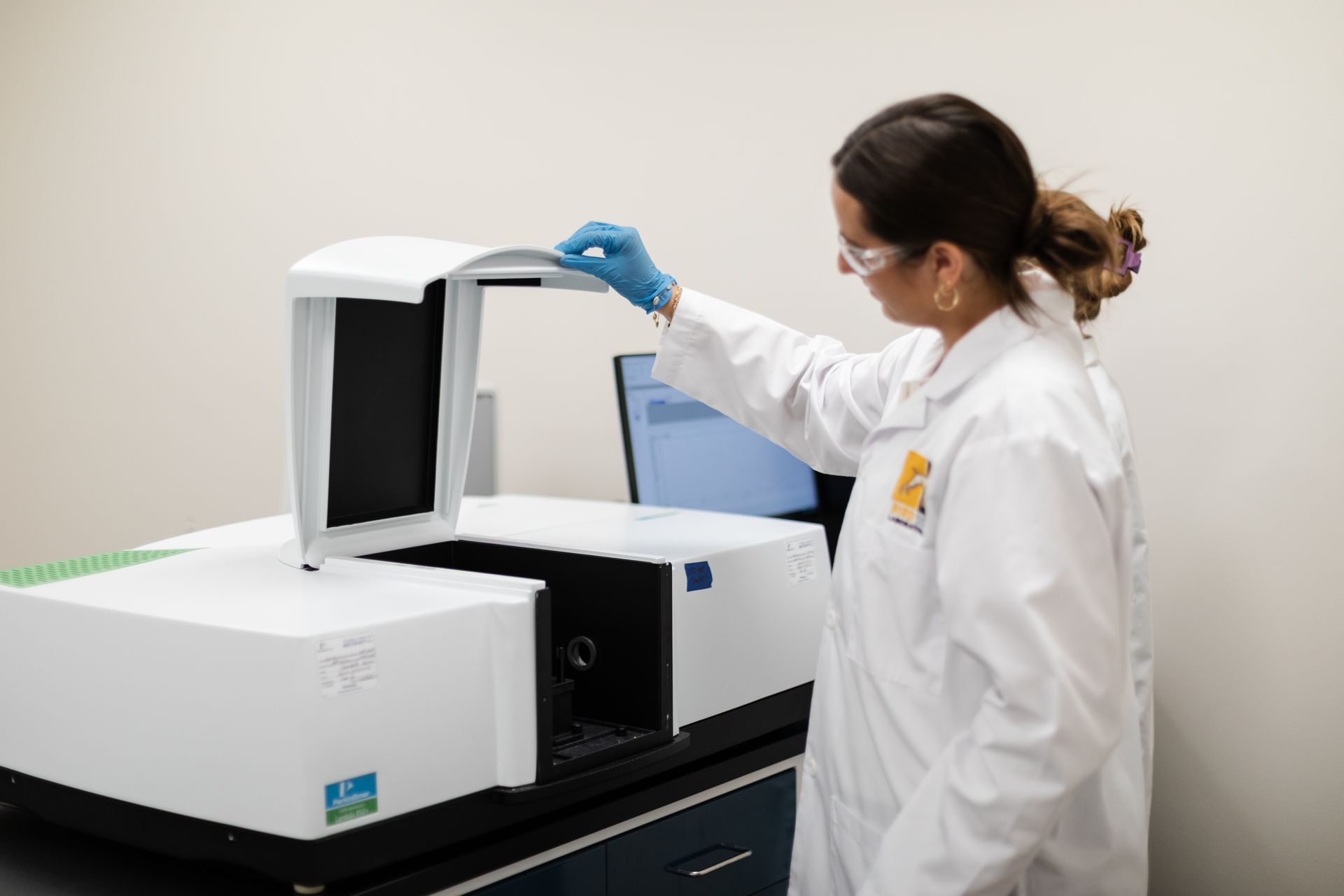
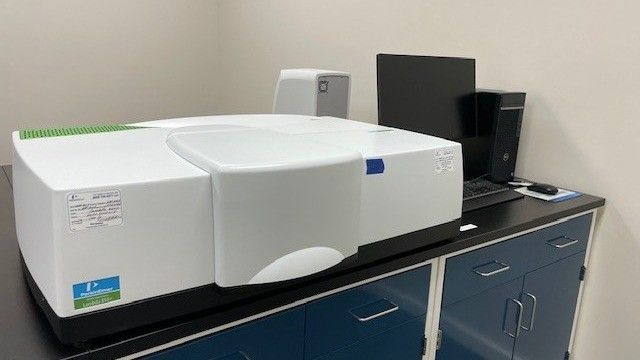
The test uses a UV-Visible spectrophotometer to measure the percentage of light transmitted through a packaging component or system across the wavelength range of approximately 290-450 nm, which includes UV and part of the visible spectrum. The goal is to determine whether the package blocks enough light to protect light-sensitive drug products.
For packaging intended to be "light-resistant":
- The measured transmission must not exceed specified limits.
- For many oral and topical products, transmissions cannot exceed 10% at any wavelength between 290 and 450 nm.
- Larger-volume parenteral containers have specific transmission limits based on container size.
Why is it important?
1. Protects Drug Stability
Many pharmaceutical ingredients are photosensitive. Exposure to UV or visible light can cause:
- Loss of potency
- Color changes
- Formation of degradation products
- Reduced shelf life
- Potential safety concerns
USP<671> helps verify that the packaging provides an effective barrier against these degradation pathways.
2. Supports Regulatory Compliance
If a package is marketed as "light-resistant" or is intended for products labeled "Protect from Light," manufacturers must demonstrate that the packaging system provides adequate protection. USP<671> provides a recognized industry standard for that demonstration.
3. Enables Package Selection and Qualification
Packaging engineers use the test when comparing materials such as:
- Amber PET bottles
- Colored HDPE containers
- Multilayer systems
- Coated containers
- Blister packaging
The results help determine whether a packaging design can protect a specific drug throughout its shelf life.
4. Reduces Reliance on Lengthy Stability Studies
USP allows that if package suitability has already been demonstrated through stability testing, separate spectral transmission testing may not be required. However, transmission testing is often a faster and more cost-effective way to screen packaging candidates early in development.
Why this matters for packaging suppliers
For companies supplying bottles, closures, films, blister materials, or complete packaging systems, USP<671> testing provides objective evidence that a component contributes to light protection. This can be a significant differentiator when supporting pharmaceutical customers' regulatory filings and stability programs.
Partner with Bird Dog Laboratories
With over 25 years of experience performing USP<671> testing, Bird Dog Laboratories provides the expertise and technical support needed to evaluate pharmaceutical packaging systems with confidence. Our team works closely with clients to identify the appropriate test method, generate reliable data, and support regulatory and quality objectives.
Whether you are developing a new package, qualifying a supplier, or supporting a regulatory submission, USP<671> testing is a valuable tool that your packaging protects product quality throughout its lifecycle.
If you have any questions regarding your package performance testing, call Bird Dog Laboratories at 717-615-9022 or email info@birddoglaboratories.com.
Recent Posts